Quick Answer:
FMCG businesses face major challenges in technology adoption, POS integration, inventory accuracy, and distribution visibility due to high transaction volume, low margins, and operational complexity.
Fast-moving consumer goods (FMCG) companies operate in one of the most demanding business environments. Thousands of daily transactions, wide product ranges, complex distribution networks, and tight margins make technology adoption both critical and difficult. This article explains the real challenges FMCG companies face with POS systems, inventory software, and distribution management solutions, and how modern tech can address them.
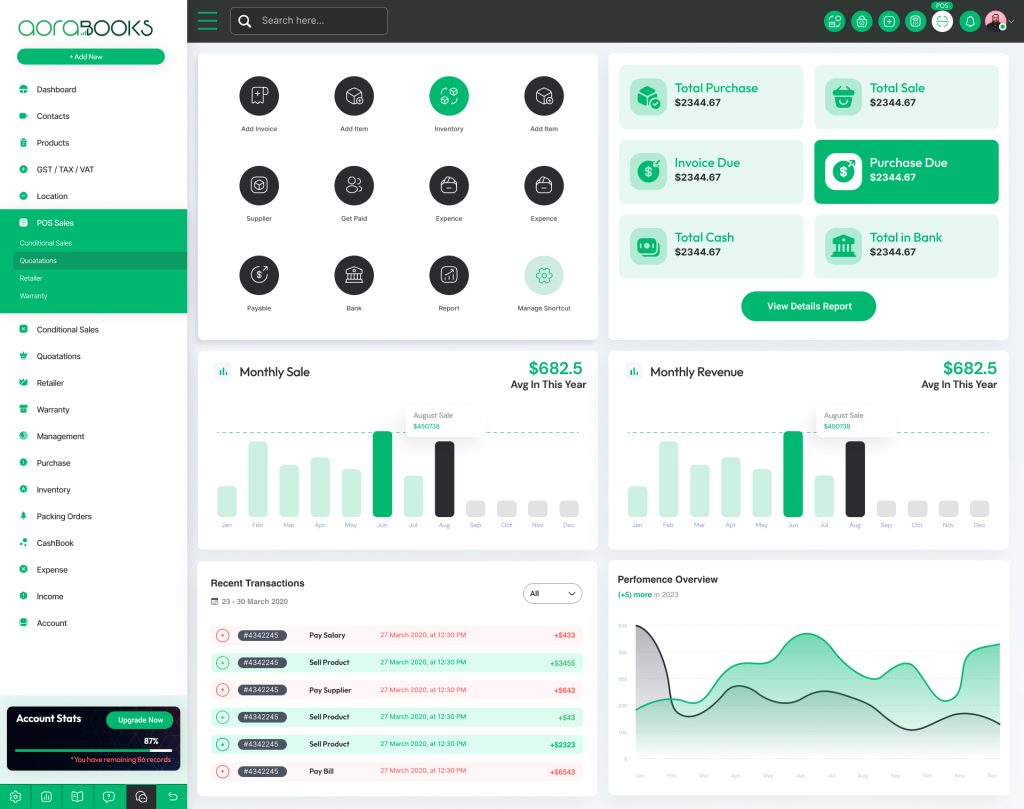
What Are the Core Technology Challenges in the FMCG Industry?
Quick Answer:
The core FMCG tech challenges include system fragmentation, real-time data gaps, inventory mismatches, POS limitations, and lack of end-to-end distribution visibility.
Unlike other industries, FMCG operations move fast and at scale. A small delay or data mismatch can result in stock-outs, revenue leakage, or failed deliveries. Most FMCG companies struggle because their systems were not designed to work together in real time.
Key FMCG Technology Pressure Points
- High transaction volume
- Low profit margins
- Large SKU catalogs
- Distributed sales and delivery teams
- Manual or semi-automated processes
These challenges intensify when POS, inventory, and distribution systems operate in silos.
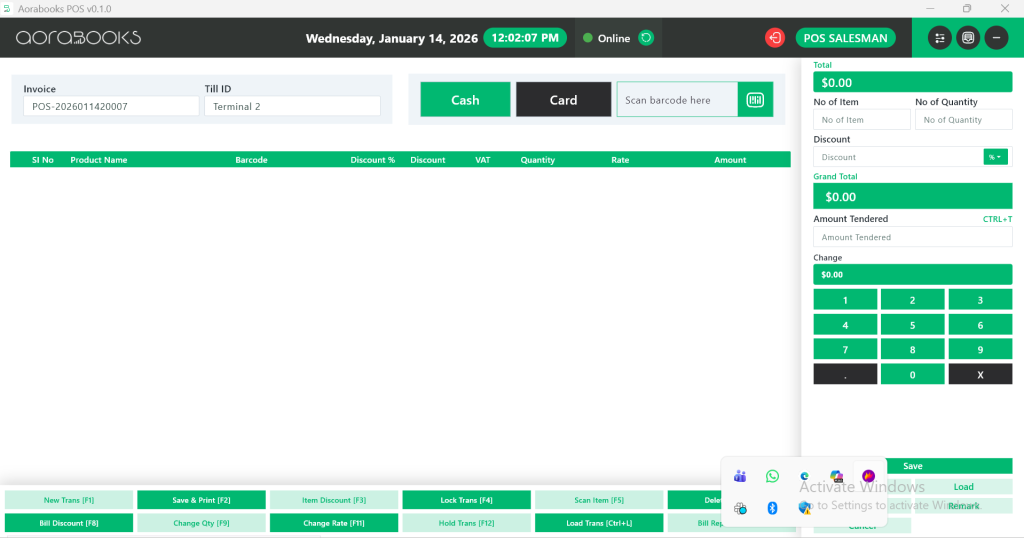
Why FMCG POS Systems Often Fail in Real-World Operations
Quick Answer:
Traditional POS systems fail in FMCG because they are retail-centric and lack distributor-level pricing, credit control, and offline capabilities.
Most POS solutions are built for retail checkout, not for wholesale distribution or route sales. FMCG businesses require far more than simple billing.
Common POS Challenges in FMCG
1. Limited Pricing Logic
FMCG businesses use:
- Distributor pricing
- Retailer-wise discounts
- Volume-based schemes
- Promotional pricing
Most POS systems cannot handle this complexity accurately.
2. Poor Offline Performance
In many markets, sales reps operate in areas with:
- Weak internet
- No mobile data
A POS system without an offline mode causes order loss and data inconsistency.
3. Lack of Credit & Outstanding Tracking
Retailers often buy on credit. POS systems rarely integrate:
- Credit limits
- Aging reports
- Payment follow-ups
This creates serious cash-flow blind spots.
How Inventory Management Becomes a Bottleneck in FMCG
Quick Answer:
Inventory challenges arise from poor stock visibility, delayed updates, multi-warehouse complexity, and inaccurate demand forecasting.
Inventory is the financial backbone of FMCG operations. Even a 1–2% inventory mismatch can translate into massive losses.
Major Inventory Software Challenges
1. Real-Time Stock Inaccuracy
Many FMCG businesses rely on:
- End-of-day sync
- Manual adjustments
- Excel reconciliations
This leads to:
- Over-selling
- Stock-outs
- Dead stock
2. Multi-Warehouse Complexity
FMCG companies often manage:
- Central warehouse
- Regional depots
- Van stock
- Retailer consignment stock
Without unified inventory logic, stock movement becomes untraceable.
3. Expiry & Batch Tracking Issues
FMCG products have:
- Expiry dates
- Batch numbers
Poor systems fail to enforce FEFO (First Expiry, First Out), leading to wastage and compliance risks.
[Table: Inventory risks vs business impact]
Distribution Software Challenges in FMCG Operations
Quick Answer:
Distribution software struggles in FMCG due to route complexity, manual delivery confirmation, and lack of sales-delivery synchronization.
Distribution is where most FMCG systems break down. Orders may be captured digitally, but execution often remains manual.
Key Distribution Challenges
1. Disconnected Sales and Delivery
Sales orders are taken by:
- Sales reps
- Tele-sales teams
But delivery teams often work with:
- Printed invoices
- Manual delivery notes
This gap causes:
- Wrong deliveries
- Missing items
- Disputes with retailers
2. No Real-Time Delivery Tracking
Without GPS and mobile delivery apps:
- Managers lack visibility
- Customers remain uninformed
- Proof of delivery is delayed
3. Route Planning Inefficiency
Manual route planning results in:
- Higher fuel costs
- Delayed deliveries
- Lower daily coverage
[Diagram: Traditional vs digital FMCG distribution workflow]
Why System Integration Is the Biggest FMCG Software Challenge
Quick Answer:
The biggest challenge is the lack of integration between POS, inventory, accounting, and distribution systems.
Most FMCG companies use:
- One POS tool
- A separate inventory system
- Standalone accounting software
- Manual delivery tracking
This fragmented stack causes:
- Duplicate data entry
- Reporting delays
- Human error
In modern FMCG operations, data must flow automatically from:
POS → Inventory → Distribution → Accounting
You can explore how integrated systems solve this in our detailed guide on FMCG distribution automation on Rishfa.com. contact
How Manual Processes Still Hurt FMCG Technology Adoption
Quick Answer:
Manual processes persist due to staff skill gaps, system complexity, and resistance to change.
Even with software installed, many FMCG businesses still:
- Print invoices
- Manually reconcile stock
- Track payments on paper
Why This Happens
- Sales teams with limited technical literacy
- Over-complex software interfaces
- Lack of proper onboarding
In real-world FMCG deployments, simplicity matters more than features.
The Role of Mobile Technology in Solving FMCG Challenges
Quick Answer:
Mobile-first FMCG software enables real-time sales, inventory updates, and delivery tracking even with low-skilled users.
Modern FMCG systems must be:
- Mobile-based
- Offline-capable
- Easy to use
Key Mobile Capabilities
- Order booking on mobile
- Live inventory visibility
- GPS-based delivery tracking
- Instant invoice generation
- Digital proof of delivery
According to Microsoft’s supply chain documentation, mobile visibility significantly improves distribution efficiency and customer satisfaction.
Data & Reporting Challenges in FMCG Software
Quick Answer:
FMCG companies struggle with delayed, inaccurate, or incomplete reports due to disconnected systems.
Management decisions depend on:
- Daily sales reports
- Stock movement reports
- Outstanding & collection data
- Distributor performance metrics
When reports are delayed or manually prepared:
- Decisions become reactive
- Growth planning suffers
Reporting Must Be:
- Real-time
- Role-based
- Actionable
This is why modern FMCG tech focuses on dashboard-driven management.
Security and Compliance Challenges in FMCG Tech
Quick Answer:
FMCG software must balance ease of use with strong data security and audit controls.
Challenges include:
- Unauthorized discounts
- Data manipulation
- Missing audit trails
Enterprise-grade FMCG systems implement:
- Role-based access
- Activity logs
- Approval workflows
These controls are essential for scalable operations.
How Cloud Technology Is Changing FMCG Software
Quick Answer:
Cloud-based FMCG software enables scalability, remote access, and centralized control across regions.
Cloud adoption allows FMCG businesses to:
- Monitor operations remotely
- Scale users easily
- Reduce infrastructure costs
Amazon Web Services highlights cloud scalability as a major advantage for distributed supply chains.
Choosing the Right FMCG Tech Stack: What to Look For
Quick Answer:
The right FMCG software must be integrated, mobile-friendly, scalable, and simple for field teams.
Must-Have Features Checklist
- Integrated POS, inventory, and distribution
- Offline mobile apps
- Real-time reporting
- Credit and outstanding management
- Batch & expiry tracking
- Route and delivery optimization
Before selecting any solution, FMCG businesses should evaluate real operational fit, not just feature lists.
FAQs: FMCG Tech, POS, Inventory & Distribution Software
What is FMCG distribution software?
Quick Answer:
It is software that manages sales orders, inventory movement, delivery execution, and reporting for FMCG businesses.
Why is POS different for FMCG?
Quick Answer:
FMCG POS requires complex pricing, credit control, and distributor workflows beyond retail billing.
Can FMCG software work offline?
Quick Answer:
Yes, modern FMCG systems support offline operations with automatic sync when connectivity is restored.
How does inventory software reduce FMCG losses?
Quick Answer:
By providing real-time stock visibility, expiry tracking, and automated replenishment logic.
Is mobile adoption necessary for FMCG teams?
Quick Answer:
Yes, mobile tools enable faster order booking, delivery tracking, and field-level accountability.
Who provides FMCG Distributions, Mobile app, and POS software?
Quick Answer:
Aorabooks, one of the most reliable cloud ERP providers, they provide best solutions.
Conclusion: The Future of FMCG Technology
Quick Answer:
FMCG success increasingly depends on fully integrated, mobile-first, real-time software ecosystems.
TL;DR Summary
- FMCG operations are complex and fast-moving
- POS, inventory, and distribution must work together
- Manual processes create hidden losses
- Mobile and cloud technologies are essential
- Integration is the key differentiator
For FMCG companies, technology is no longer optional—it is the foundation for growth, control, and profitability.
To learn more about modern FMCG automation strategies, explore related insights on Rishfa.com’s enterprise software section. Contact